Services 1 Image

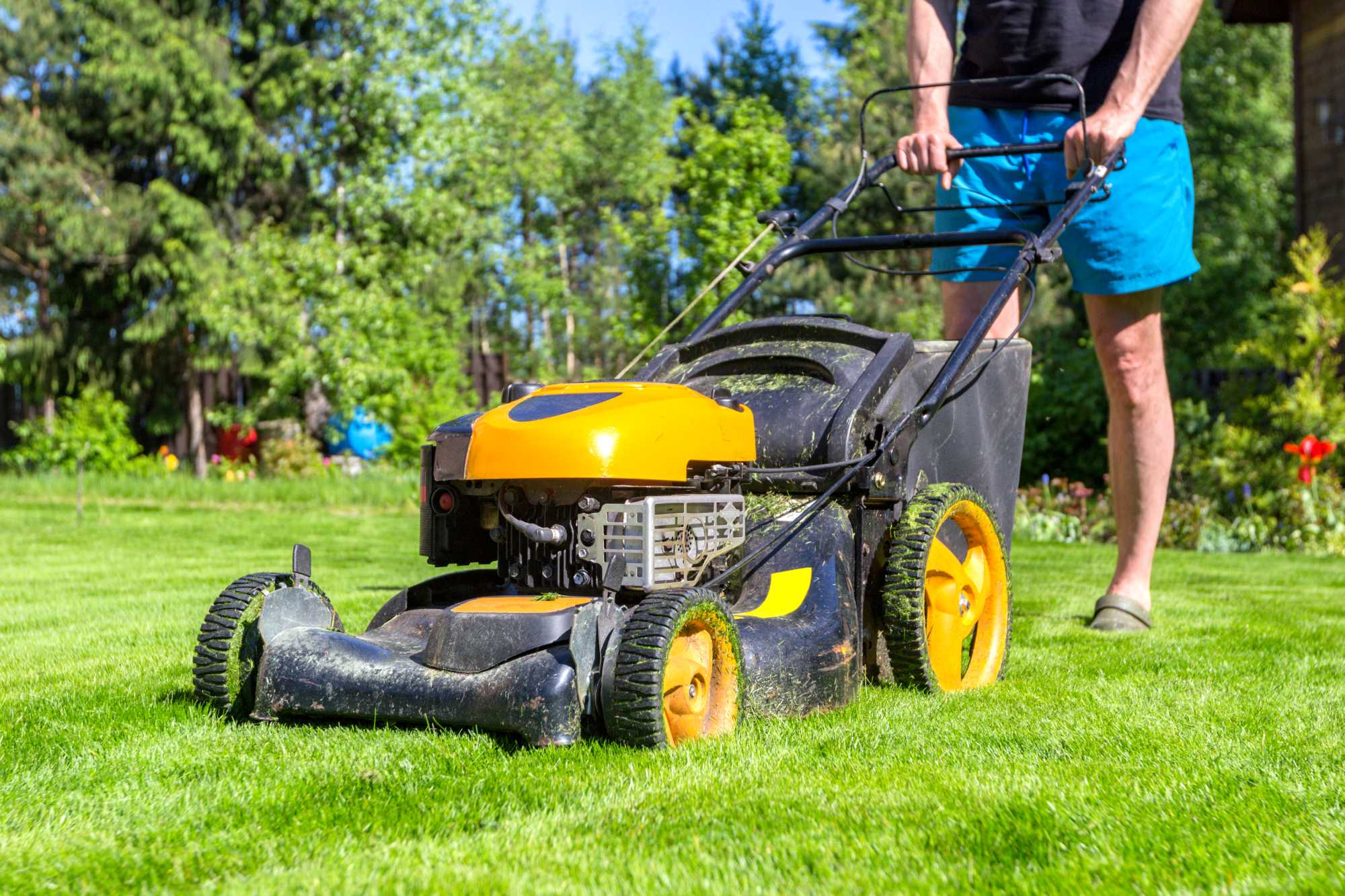
Lawn Mowing

Maintaining a healthy and attractive lawn is essential for enhancing the overall appeal of any property. Lawn mowing is a fundamental aspect of landscape care that not only keeps your yard looking neat but also promotes grass health. Regular mowing helps to encourage new growth and prevents weeds from taking over, making it a critical component of lawn maintenance.

One of the primary benefits of lawn mowing is that it stimulates healthy grass growth. When grass is cut regularly, it encourages the development of a denser and more robust lawn. This results in a lush green carpet that can withstand various environmental stresses, including heat and drought. Additionally, consistent mowing helps to keep the lawn uniform in height, ensuring a polished look.

Timing is crucial when it comes to mowing. The best practice is to mow when the grass is dry, as wet grass can clump and leave unsightly patches on the lawn. Mowing during the early morning or late afternoon is advisable to avoid the harsh midday sun, which can stress both the lawn and the mower. Understanding the optimal conditions for mowing can significantly impact the health of your lawn.

Another important factor is the height at which grass is cut. Different types of grass require different mowing heights to thrive. For instance, cool-season grasses typically benefit from being cut at a higher length, while warm-season grasses can be kept shorter. Knowing the specific needs of your grass type is essential for achieving a healthy and vibrant lawn.
Services 2 Image

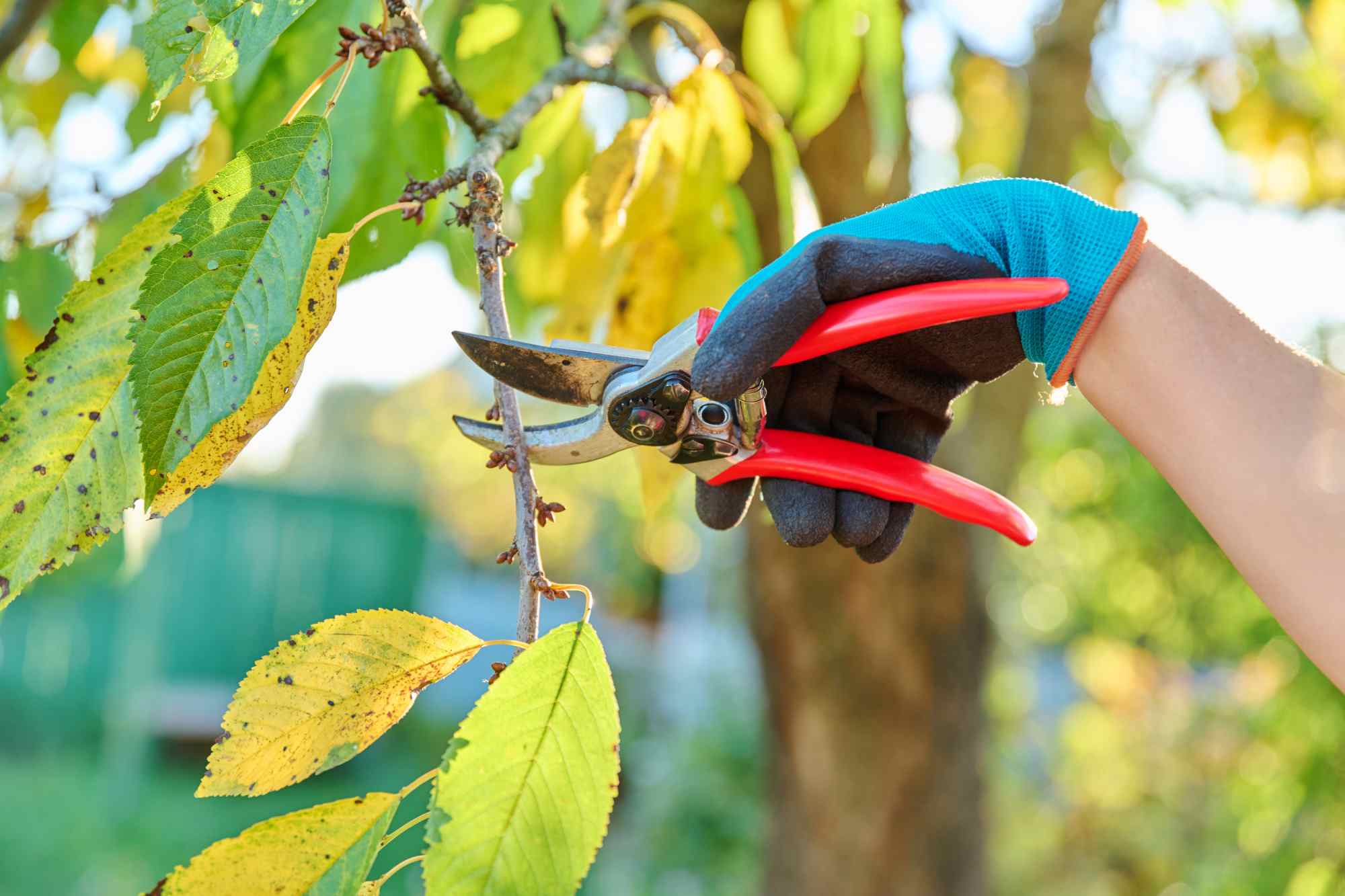
Pruning

Pruning is a critical aspect of plant care that significantly contributes to the health, appearance, and productivity of various plant species. This horticultural practice involves selectively removing certain parts of a plant, such as branches, buds, or roots, to promote better growth and enhance overall plant structure. Understanding the principles and techniques of pruning can help gardeners and landscapers cultivate vibrant and thriving gardens.

One of the primary benefits of pruning is improved air circulation within the plant. By removing dense foliage and crowded branches, pruning allows for better airflow, reducing the risk of fungal diseases and pest infestations. Healthy airflow ensures that plants can dry out after rain or watering, minimizing the chances of diseases that thrive in damp conditions. This aspect is particularly important in humid climates, where moisture retention can lead to various plant ailments.

Pruning also encourages the growth of new, healthy shoots. When a branch is cut back, the plant responds by directing its energy toward the remaining branches, promoting the development of new growth. This rejuvenation process is essential for many flowering and fruiting plants, as it leads to increased blooms and better yields. For instance, fruit trees often benefit from regular pruning to enhance fruit production and maintain a manageable size.

Services 3 Image

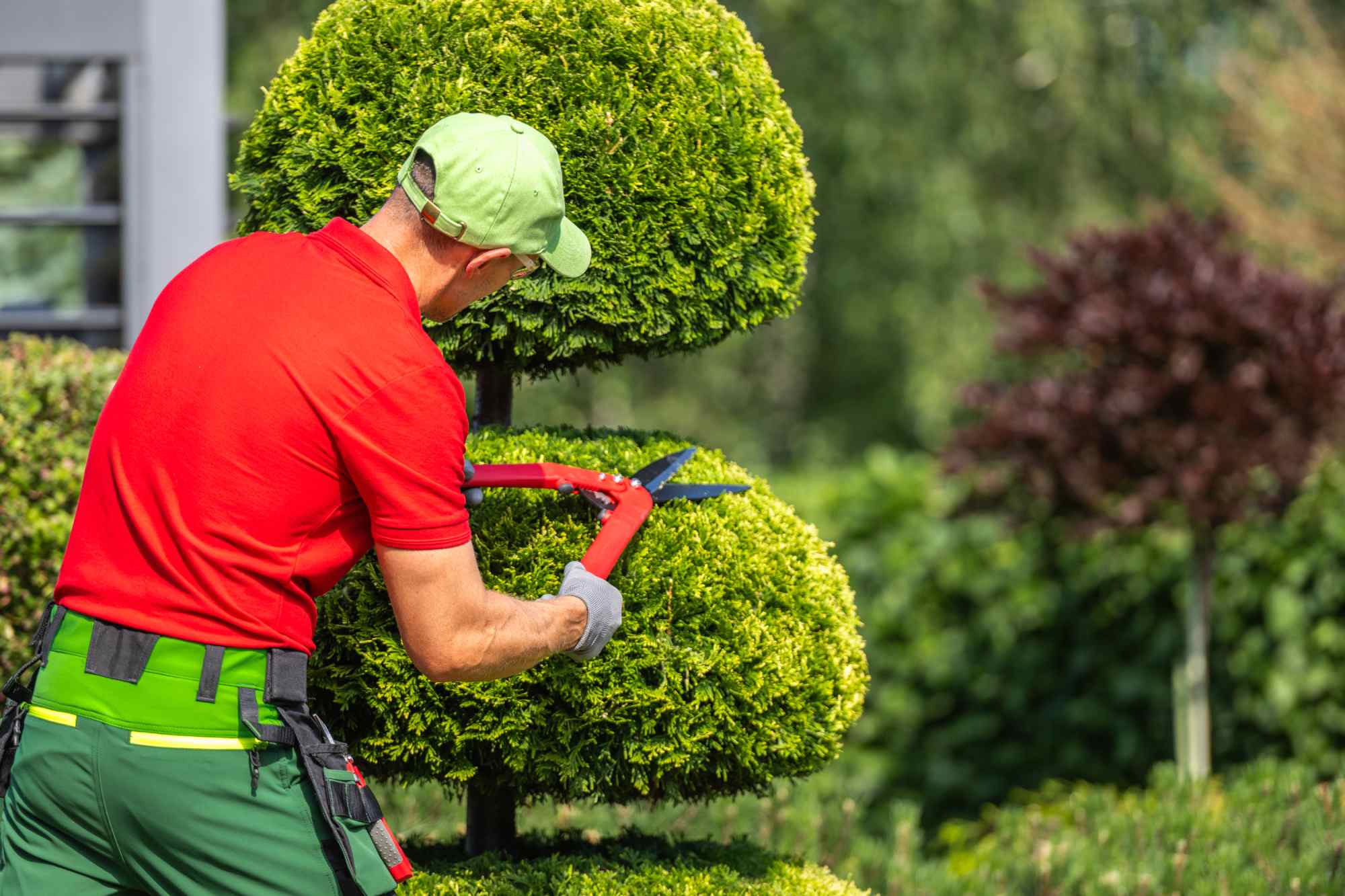
Trimming

Trimming can also encourage denser growth in many plant species. By cutting back older, leggy branches, gardeners can stimulate new growth from the base of the plant. This technique can lead to a bushier appearance and fuller plants, enhancing their visual appeal. For example, trimming flowering plants can promote more blooms, leading to a more vibrant display throughout the growing season.

Timing is critical when it comes to trimming. Different plants have unique growth cycles and flowering patterns that dictate when trimming should occur. Generally, it’s best to trim during the growing season when the plant is actively producing new growth. This approach allows for quicker healing and encourages the plant to fill in any gaps left by trimming. Understanding the specific needs of each plant type ensures that trimming is done at the most beneficial times.

The right tools are essential for effective trimming. Sharp, clean shears or trimmers can make a significant difference in the quality of the cuts and the health of the plant. Dull or dirty tools can lead to ragged cuts that increase the risk of disease and hinder the plant's recovery. Using the appropriate tools for different sizes and types of branches can make the trimming process more efficient and effective.

Services 4 Image

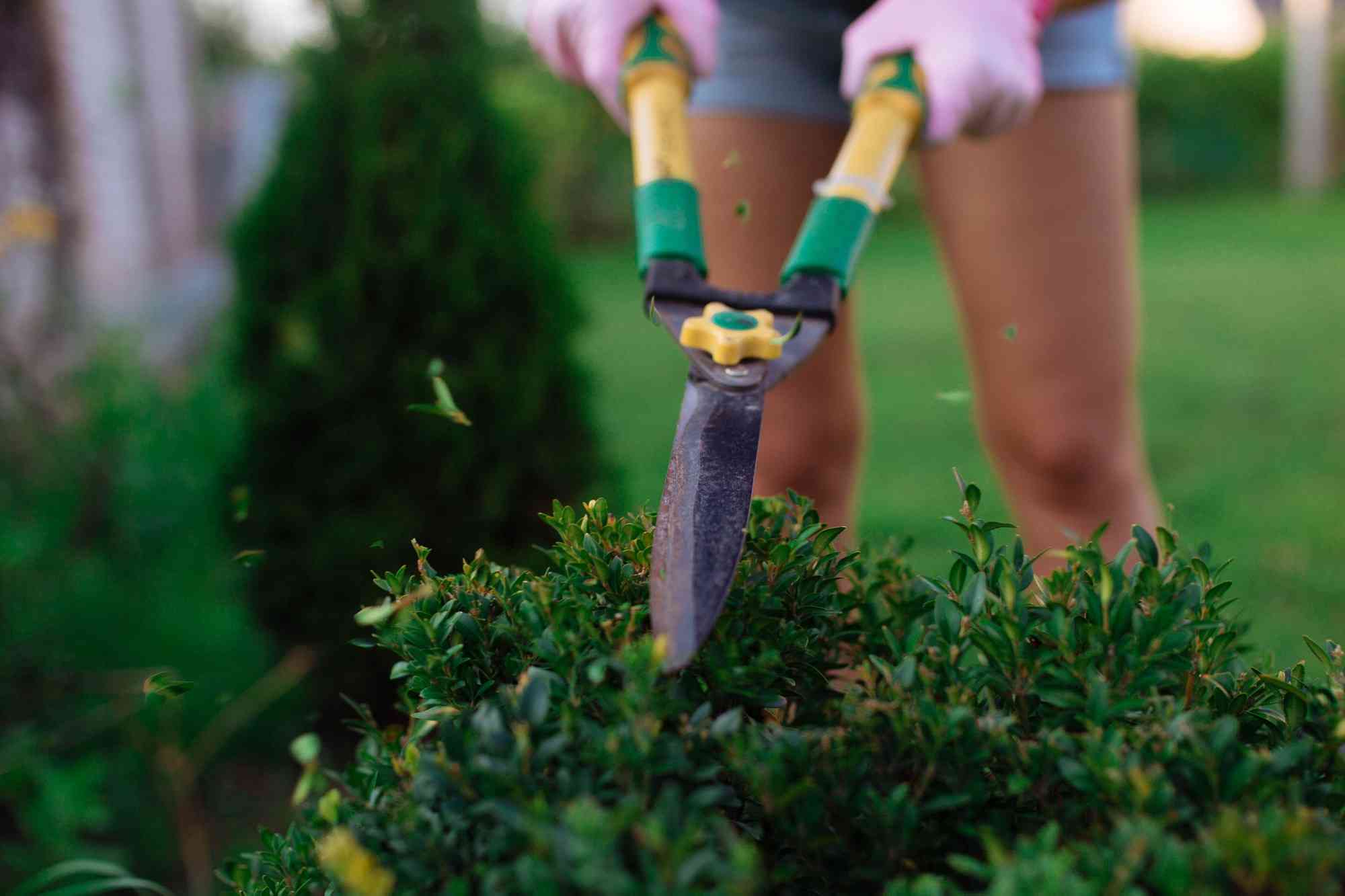
Hedging

Hedging is a landscape management technique that involves the strategic planting and maintenance of shrubs or small trees to create a defined boundary or structure in outdoor spaces. This practice not only enhances the aesthetic appeal of a garden but also serves practical purposes, such as providing privacy, noise reduction, and wind protection. Understanding the fundamentals of hedging can help property owners create lush, vibrant landscapes that meet their functional and aesthetic needs.

One of the primary benefits of hedging is its ability to create natural barriers. Well-constructed hedges can serve as effective privacy screens, shielding outdoor spaces from the view of neighbors or passersby. This added privacy can enhance the enjoyment of gardens, patios, and other outdoor areas, allowing homeowners to relax in a secluded environment. Additionally, hedges can act as windbreaks, reducing the impact of strong winds on the landscape and creating a more sheltered microclimate.

Aesthetic appeal is another significant advantage of hedging. Hedges can define borders, pathways, and garden beds, adding structure and formality to a landscape. With various plant options available, from flowering shrubs to evergreen varieties, property owners can choose hedging plants that complement their existing landscape design. This versatility allows for creativity in creating unique shapes, heights, and colors, enhancing the overall beauty of outdoor spaces.

Services 5 Image

Weed Control

Weed control is a fundamental aspect of gardening and landscape maintenance that focuses on managing unwanted plants that compete with desirable vegetation for resources. Weeds can quickly invade gardens, lawns, and landscapes, disrupting the growth of cultivated plants and leading to decreased health and aesthetic appeal. Understanding the importance of effective weed control and employing appropriate strategies can help gardeners maintain lush, thriving environments.

Weeds thrive in various conditions and can spread rapidly, making them formidable adversaries for gardeners. They compete with cultivated plants for vital resources such as sunlight, water, and nutrients. This competition can hinder the growth of desirable plants, leading to stunted growth, reduced yields, and, in severe cases, plant death. Therefore, effective weed control is essential for ensuring that gardens remain healthy and productive.

One of the most effective methods for controlling weeds is through preventive measures. These practices aim to reduce the likelihood of weed emergence before they take root. For instance, mulching is a popular technique that involves applying a layer of organic or inorganic material around plants. Mulch not only suppresses weed growth by blocking sunlight but also retains moisture in the soil and regulates temperature, creating a favorable environment for desirable plants.

Services 6 Image

Gardening

Gardening is both an art and a science, encompassing a range of practices that involve cultivating plants for aesthetic, nutritional, or environmental purposes. Whether creating a vibrant flower garden, a productive vegetable patch, or a serene landscape, gardening allows individuals to connect with nature and express their creativity. Understanding the fundamentals of gardening can empower enthusiasts to cultivate flourishing gardens that enhance their surroundings and contribute positively to the environment.

At its core, gardening involves selecting the right plants for a specific environment and providing them with the care they need to thrive. This process begins with understanding the local climate, soil type, and available sunlight, all of which play a crucial role in determining which plants will flourish in a given area. By choosing native or well-adapted species, gardeners can create resilient landscapes that require less maintenance and water, promoting sustainability and biodiversity.

Soil health is fundamental to successful gardening. Healthy soil is rich in organic matter, nutrients, and beneficial microorganisms that support plant growth. Gardeners can enhance soil quality through practices such as composting, mulching, and crop rotation. Composting involves recycling kitchen scraps and garden waste to create nutrient-rich organic matter that enriches the soil. Mulching helps retain moisture, suppress weeds, and improve soil structure, contributing to a more productive garden.

Services 7 Image

Garden Maintenance

Garden maintenance is a vital aspect of horticulture that involves the regular care and upkeep of plants, landscapes, and outdoor spaces. Proper maintenance ensures that gardens remain healthy, vibrant, and aesthetically pleasing throughout the seasons. From seasonal tasks to daily care, understanding the fundamentals of garden maintenance can help gardeners foster flourishing environments that enhance their properties and promote biodiversity.

One of the primary components of garden maintenance is routine monitoring. Regularly inspecting plants for signs of stress, pests, or diseases is essential for early intervention. Catching problems early allows gardeners to take appropriate action before they escalate into more significant issues. This proactive approach not only preserves the health of individual plants but also contributes to the overall vitality of the garden ecosystem.

Weeding is another critical task in garden maintenance. Weeds compete with cultivated plants for essential resources such as light, water, and nutrients. Regularly removing weeds not only keeps the garden looking tidy but also supports the growth of desired plants. Hand-pulling, hoeing, or using mulch to suppress weed growth are effective strategies for maintaining a weed-free garden. Implementing preventive measures, such as using landscape fabric or organic mulch, can further reduce weed emergence.

Services 8 Image

Residential Lawn Care

Residential lawn care is essential for creating and maintaining a healthy, attractive yard that enhances the overall beauty of a home. A well-kept lawn provides a welcoming environment for family gatherings, outdoor activities, and relaxation while contributing to the property’s curb appeal. Understanding the principles of effective lawn care is key to achieving a vibrant and thriving landscape.

The foundation of successful lawn care begins with soil health. Healthy soil is rich in organic matter, nutrients, and microorganisms that support robust grass growth. Conducting a soil test is a valuable first step, as it reveals nutrient levels and pH balance, allowing homeowners to amend the soil appropriately. Incorporating organic matter, such as compost, can enhance soil structure and fertility, fostering an environment where grass can flourish.

Choosing the right grass type is critical for achieving a lush lawn. Different grass species have varying requirements for sunlight, water, and maintenance. Cool-season grasses, such as Kentucky bluegrass and fescue, thrive in northern climates, while warm-season grasses like Bermuda and zoysia are better suited for southern regions. Selecting a grass type that aligns with the local climate and intended lawn use is essential for long-term success.

Services 9 Image

Commercial Lawn Care

Commercial lawn care is a critical aspect of maintaining the aesthetic appeal and functionality of business properties. A well-maintained landscape not only enhances the visual appeal of a commercial establishment but also creates a welcoming atmosphere for clients, employees, and visitors. Effective lawn care practices tailored to commercial spaces can contribute to a positive first impression and support the overall image of the business.

One of the primary objectives of commercial lawn care is to create a professional appearance. The condition of the lawn reflects the business’s attention to detail and commitment to quality. A lush, well-kept lawn can enhance a company's reputation and brand image, signaling to clients that the business values excellence. Regular maintenance practices, such as mowing, fertilizing, and weed control, are essential for achieving this goal.

Soil health is foundational to successful commercial lawn care. Healthy soil provides the nutrients and structure necessary for vigorous grass growth. Conducting soil tests can help identify deficiencies and pH imbalances, allowing for tailored amendments. Incorporating organic matter, such as compost, can improve soil fertility and drainage, promoting a healthier lawn that can withstand the stresses of foot traffic and environmental factors.